
For a quicker response, please send all inquiries
via info@canfloor.com or
text to
416-735-0075.
| Monday - Friday | 10:00 am - 7:00 pm |
| Saturday & Sunday | 10:30 am - 4:00 pm |
The average cost of refinishing hardwood floors is usually driven by square footage, floor condition, and the finish system you choose. If you are comparing the average cost of refinishing hardwood floors in Canada, start with a broad planning range of about $3.50 to $8.00 per sq. ft. for full sand-and-refinish work, with more complex, premium, or dust-contained jobs sometimes running $11+ per sq. ft. Final pricing still needs a local site check, especially in Ontario and the GTA.
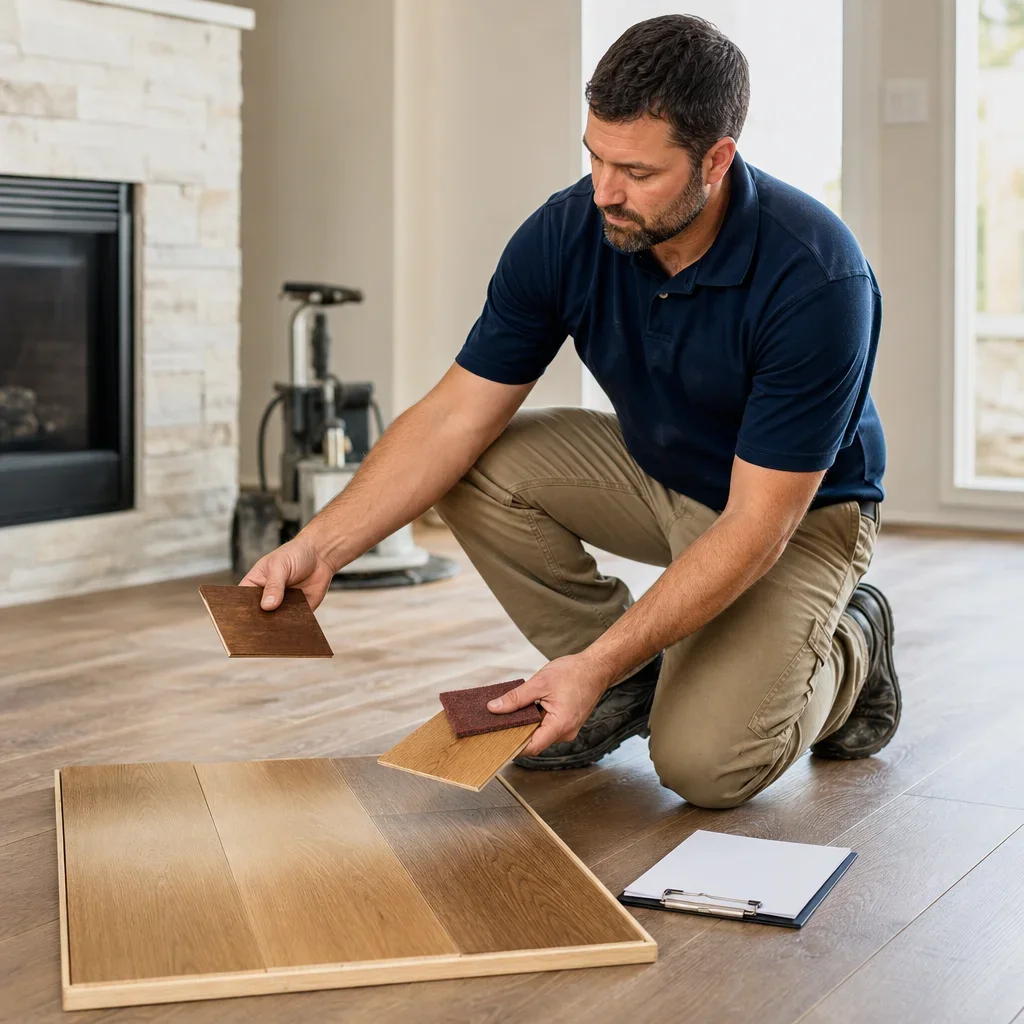
Full sanding and refinishing usually lands around $3.50 to $8.00 per sq. ft., while a lighter screen-and-recoat service is typically less because it skips aggressive sanding. A screen-and-recoat refreshes the top finish layer. A full refinish sands deeper, removes more wear, and allows a stain change in many cases. Engineered hardwood may qualify for refinishing only if the wear layer is thick enough and the floor has not already been sanded too many times.
The average cost to have hardwood floors refinished often falls between about $1,500 and $6,000 for typical residential jobs, but small rooms can carry minimum charges and larger houses can run well above that. Ontario and GTA quotes can also come in above generic online averages because labour, parking, condo access, and scheduling rules affect the job cost.
| Service type | Typical pricing | What changes the cost |
|---|---|---|
| Screen and recoat | Lower than full refinishing | Traffic wear, finish condition, room access |
| Sand and refinish | $3.50-$8.00 per sq. ft. | Repairs, stain change, layout, finish type |
| Premium or dust-contained refinishing | $11+ per sq. ft. possible | Dust control setup, premium coatings, difficult scope |
A simple hardwood floor refinishing cost calculator starts with square footage multiplied by a base rate, then adds repairs, stairs, trim details, and any small-job adjustment. A practical formula is: square footage x base refinishing rate + repairs/add-ons + stairs/trim + access or minimum-charge adjustment. That gives you a planning number, not a quote.
The average cost of refinishing wood floors is easiest to estimate in three bands. Budget or simple jobs sit near the low end when the floor is open, clean, and staying close to its current look. Typical jobs sit in the middle when there is normal wear and standard coating work. Premium or complex jobs move higher when there are stain changes, heavy pet damage, awkward layouts, condo restrictions, or dust-control upgrades.
Small refinishing jobs often cost more per square foot because crews still need to prep, protect, sand, edge, coat, and return for cure stages. A minimum charge around $1,000 is a reasonable market planning reference for very small jobs. Online calculators also miss hidden issues like cupping, black water stains, movement, loose boards, and previous sanding history, so an on-site inspection matters.
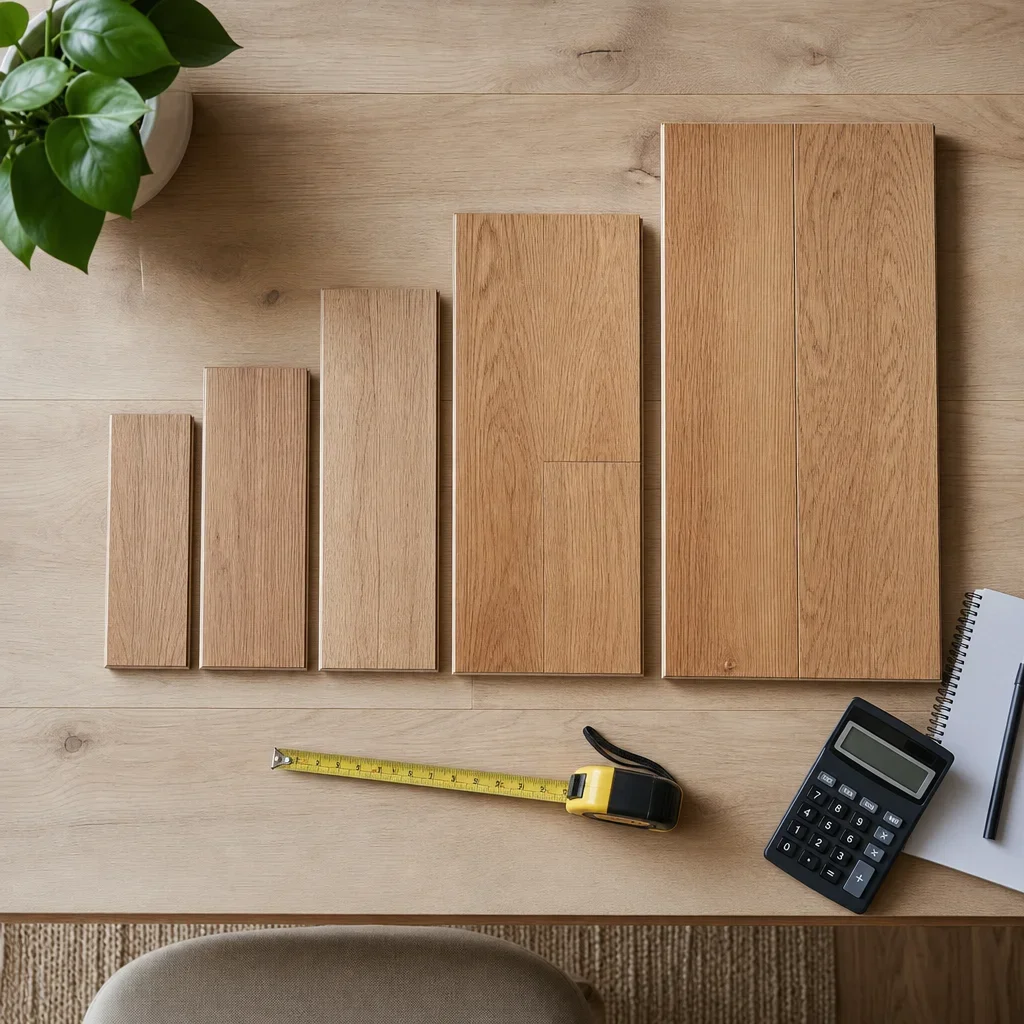
The cost to refinish hardwood floors at 500, 1,000, 1,200, 1,500, and 2,000 square feet scales in a straight line at first, but larger jobs can sometimes reduce the per-foot rate because setup costs spread over more area. Using the broad full-refinishing range of $3.50 to $8.00 per sq. ft. gives a useful planning benchmark.
| Project size | Low estimate | Typical estimate | High estimate |
|---|---|---|---|
| 500 sq. ft. | $1,750 | $2,750 | $4,000 |
| 1,000 sq. ft. | $3,500 | $5,500 | $8,000 |
| 1,200 sq. ft. | $4,200 | $6,600 | $9,600 |
| 1,500 sq. ft. | $5,250 | $8,250 | $12,000 |
| 2,000 sq. ft. | $7,000 | $11,000 | $16,000 |
The cost to refinish hardwood floors 1200 sq ft or more can still swing sharply when the floorplan is chopped up. Closets, narrow hallways, island edges, stair landings, and lots of transitions slow the sanding and edging work. Condos can also add labour time because of elevator booking, work-hour limits, parking, and noise rules.
Floor condition is one of the biggest reasons hardwood floor refinishing prices vary so much. Deep scratches, pet stains, black water marks, cupping, gaps, loose boards, and old adhesive contamination all add prep and repair time. If boards need replacement before sanding, the quote usually rises because material matching and blending are separate steps.
Labour is usually the biggest share of the bill, with labour cost to sand and refinish hardwood floors commonly making up about 70% to 80% of total project cost. That labour covers sanding passes, edging, detail work, cleanup, stain application if selected, and multiple finish coats.
Wood species, finish choice, and stain direction also change the number. Harder species take longer to sand. Dark stain changes show mistakes more easily and demand tighter prep. Water-based and oil-based polyurethane differ in dry time, odour, colour effect, and scheduling. In Ontario, local labour pricing and jobsite logistics can push the average cost of refinishing hardwood floors in Ontario above lower-cost markets.
Most refinishing quotes combine prep, sanding, edging, coating, and cleanup into one square-foot rate, but it helps to understand where the money goes. Labour is usually the main cost, materials are the next layer, and repairs or access issues create the biggest overruns.
| Cost component | Typical role in price | Notes |
|---|---|---|
| Labour | 70%-80% of total | Sanding, edging, coating, cleanup |
| Finish materials | Variable | Water-based vs oil-based, number of coats |
| Repairs | Variable | Board replacement, filler, stain blending |
| Access/logistics | Variable | Condo rules, parking, stairs, furniture |
| Premium upgrades | Variable | Dust containment, custom stain work |

A solid refinishing quote usually includes floor prep, sanding, edging, vacuuming, basic surface cleaning, stain if specified in writing, and the agreed topcoats. The quote should also spell out the finish type and the number of coats, because one estimate can look cheaper simply by including less coating work.
Extra charges often show up for furniture moving, appliance moving, baseboard removal and reinstall, floor vent detailing, heavy stain treatment, board replacement, subfloor repairs, stair components, trim work, parking fees, and after-hours condo requirements. These are not small details. They are common reasons two prices for the same square footage do not match.
| Usually included | Often extra or excluded |
|---|---|
| Basic prep and masking | Furniture or appliance moving |
| Sanding and edging | Board replacement or repairs |
| Vacuuming and basic cleanup | Stairs, rail parts, nosings |
| Stain if listed in scope | Parking, condo fees, after-hours access |
| Topcoats if listed in scope | Baseboard removal/reinstall |
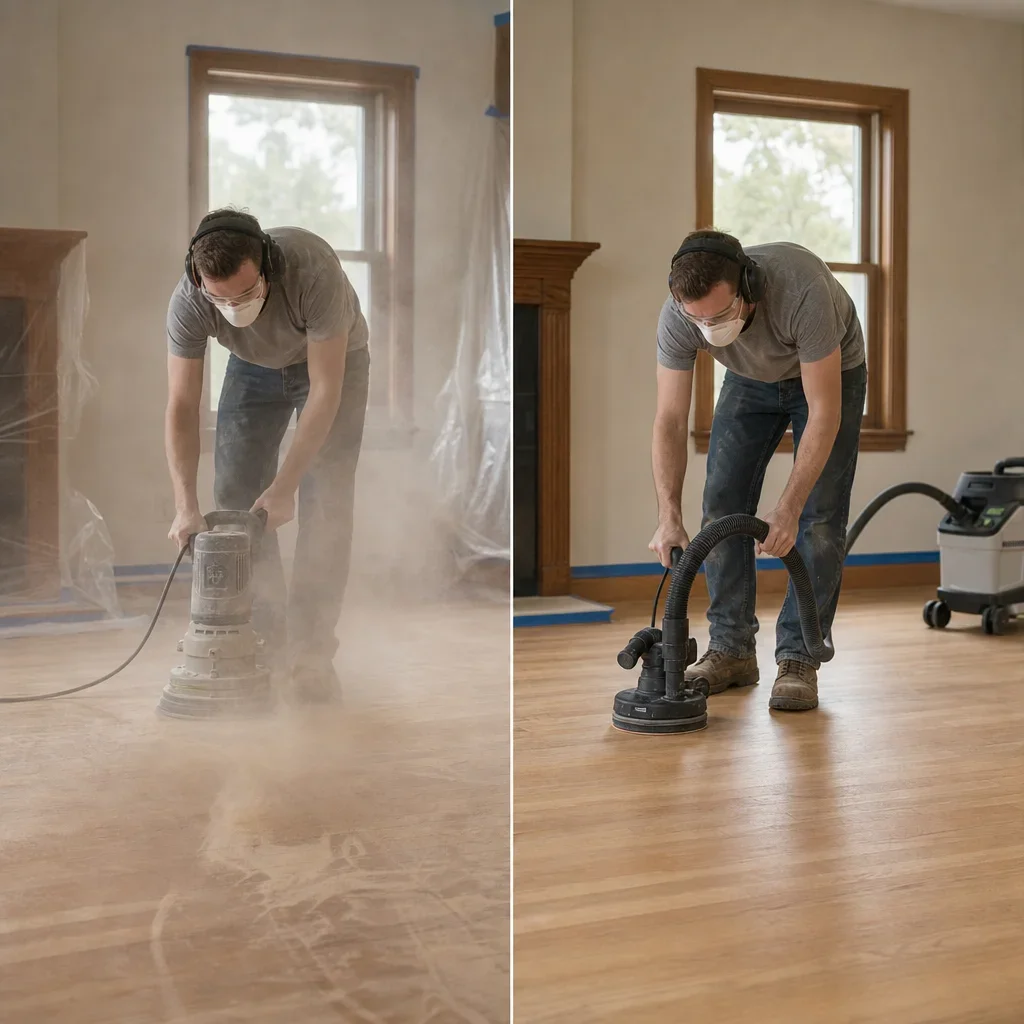
Dustless refinishing usually means much better dust capture, not zero dust. That matters because some homeowners hear “dustless” and expect a perfectly clean house, which is not how the process works in real life.
Traditional sanding can cost less, while dust-contained or premium systems can push pricing to $11+ per sq. ft. on some jobs. The premium may be worth it in occupied homes, homes with allergy concerns, or spaces with tighter cleanup expectations. Results still depend on prep, sanding skill, and coating quality, not the vacuum system alone.
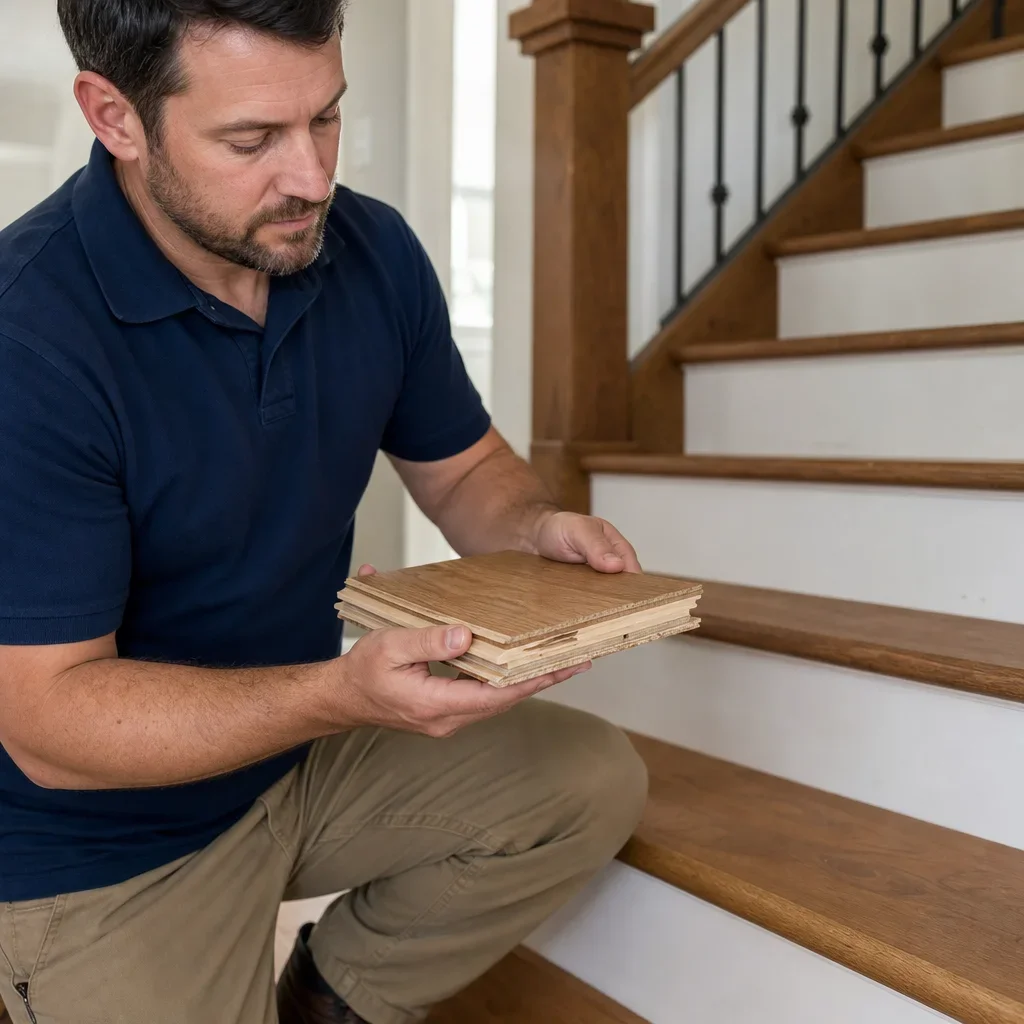
Solid hardwood is generally the safest candidate for refinishing because it has a thicker wear surface. Engineered hardwood can sometimes be refinished, but only if the real-wood wear layer is thick enough and the floor has enough sanding life left. You cannot assume every engineered floor can be sanded.
The cost to refinish engineered hardwood floors can be similar to solid when the floor is eligible, but the real issue is risk, not just price. If the veneer is thin, aggressive sanding can damage the floor permanently. When we explain this in a showroom setting, we tell people to get the product specs or have the floor inspected before pricing a refinish path. This is general information, not a recommendation for your floor.
Hardwood stair refinishing usually costs more per square foot than flat flooring because each tread, riser, and edge takes hand work. A broad market planning reference is about $40 to $75 per stair tread, with more for complex rail details or stain matching.
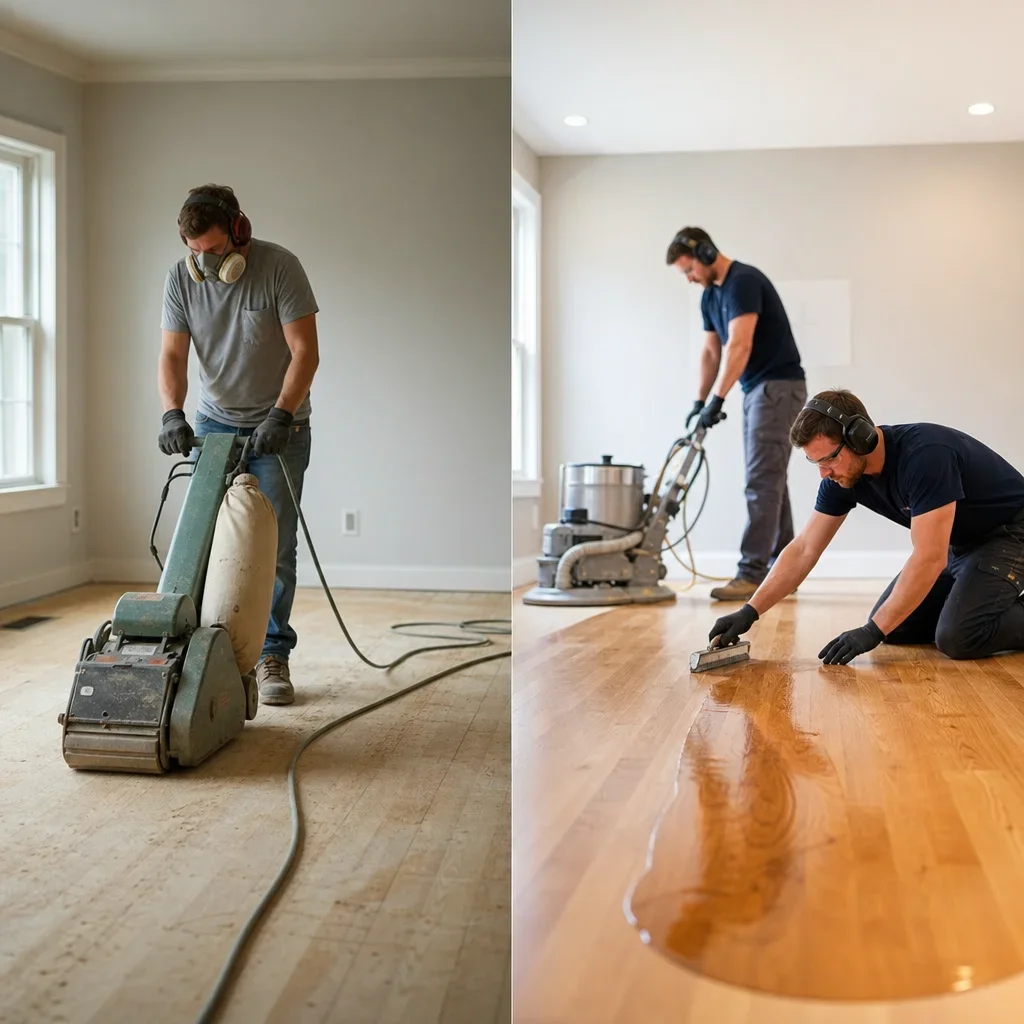
DIY refinishing can look cheaper on paper, but the direct savings shrink once you price rentals, abrasives, filler, stain, finish, plastic, vacuums, and protective gear. A broad planning reference for DIY equipment and material costs is about $100 per day and up, depending on what you rent and buy. That still does not price your time or the cost of fixing a bad sanding job.
The cost to refinish hardwood floors yourself is mostly attractive on small, low-visibility areas where mistakes are less painful. Drum sanders can leave chatter marks. Edgers can create dips. Dark stain changes make uneven sanding obvious. Stairs are especially unforgiving. Valuable hardwood, thin engineered boards, and floors with pet or water damage are where pro skill usually pays for itself.
Professional refinishing commonly runs about $4 to $8 per sq. ft. as a broad market reference, which overlaps with the wider planning range used elsewhere in this guide. The value in hiring a pro is not just labour. It is finish quality, flatter sanding, better dust control, faster turnaround, and lower risk of permanent sanding errors.
| Comparison point | DIY | Professional |
|---|---|---|
| Direct cost | Lower upfront | Higher upfront |
| Equipment | You rent and learn | Included in service |
| Risk of sanding mistakes | High | Lower with experience |
| Best use case | Small simple areas | Whole-house, stairs, stain changes |
| Time required | Longer | Usually faster |
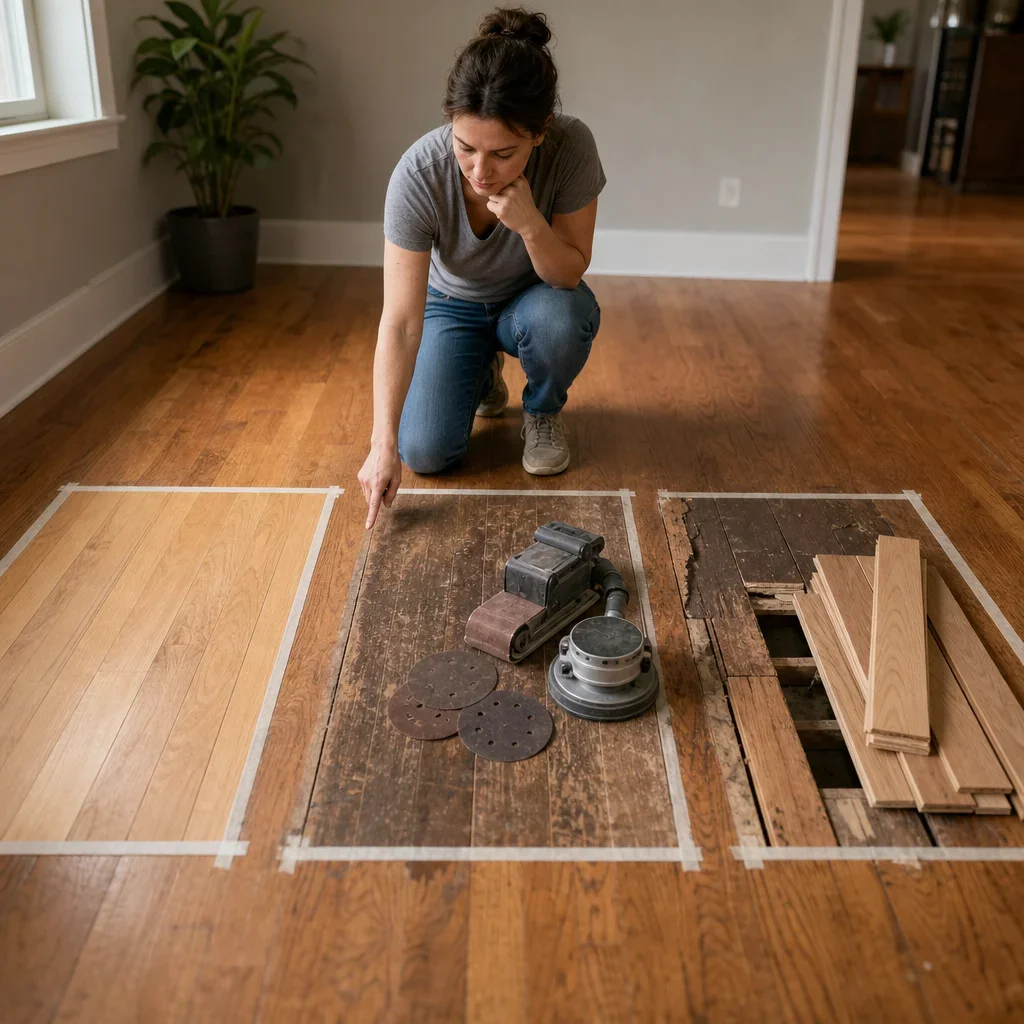
A screen-and-recoat is enough when the finish is dull or lightly scratched but the wood underneath is still healthy. Full sanding and refinishing makes sense when wear is deeper and the existing finish is failing, but the boards themselves are still worth saving. Replacement is usually the right call when there is severe water damage, structural movement, repeated prior sanding, a very thin engineered veneer, or a real desire to change the floor type.
Refinishing is usually cheaper than replacement when the wood is salvageable because replacement adds demolition, disposal, subfloor prep, new material, and installation. If replacement is the real need, product-only starting prices can be lower than some people expect: CanFloor lists hardwood from $3.99 per sq. ft., engineered wood from $2.99, laminate from $1.69, and vinyl from $1.99 for supply. Installed replacement costs will be higher, and the right choice depends on floor condition, layout goals, and finish expectations.
| Option | Best for | Limits | Relative cost | Disruption |
|---|---|---|---|---|
| Screen and recoat | Dull finish, light wear | Won't fix deep damage | Lowest | Lower |
| Sand and refinish | Deeper wear, salvageable wood | Not ideal for badly damaged or too-thin floors | Mid-range | Moderate |
| Replace | Major damage or design change | Highest scope | Highest | Highest |
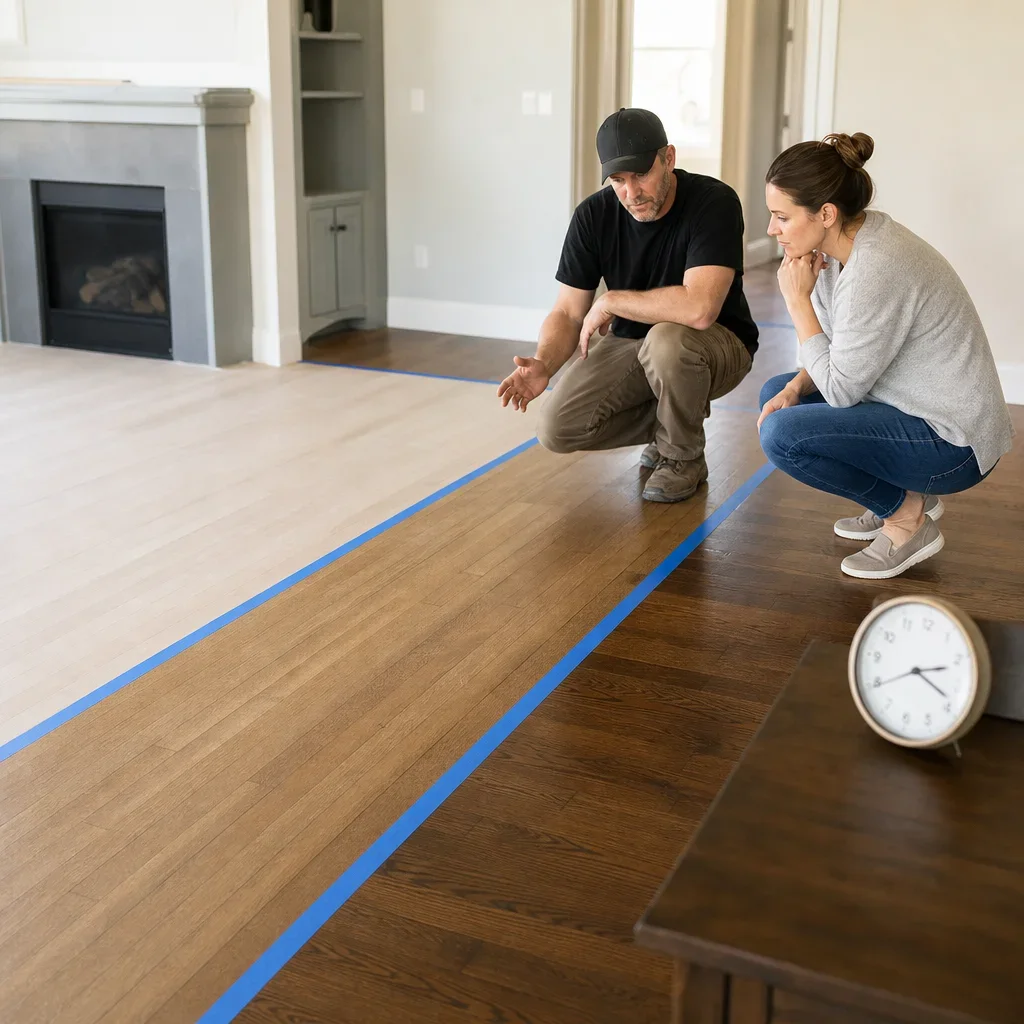
A typical hardwood refinishing job takes about 3 to 7 days from prep through coating stages, with project size, humidity, stain selection, and finish system affecting the timeline. The sanding itself is only part of the schedule. Dry time and cure stages often decide how long the house stays disrupted.
A 1,000-square-foot job often fits within that same 3 to 7 day window, but that does not mean every contractor follows the same sequence or coating system. Open layouts usually move faster than houses with many small rooms. Dark stain changes can add time because they demand cleaner prep and more visible quality control.
You also need to separate light foot traffic from full move-back. Finish manufacturers set the re-entry and cure guidance, and water-based and oil-based systems differ. Your actual timing depends on the product used and site conditions, so get that guidance in writing before the job starts.
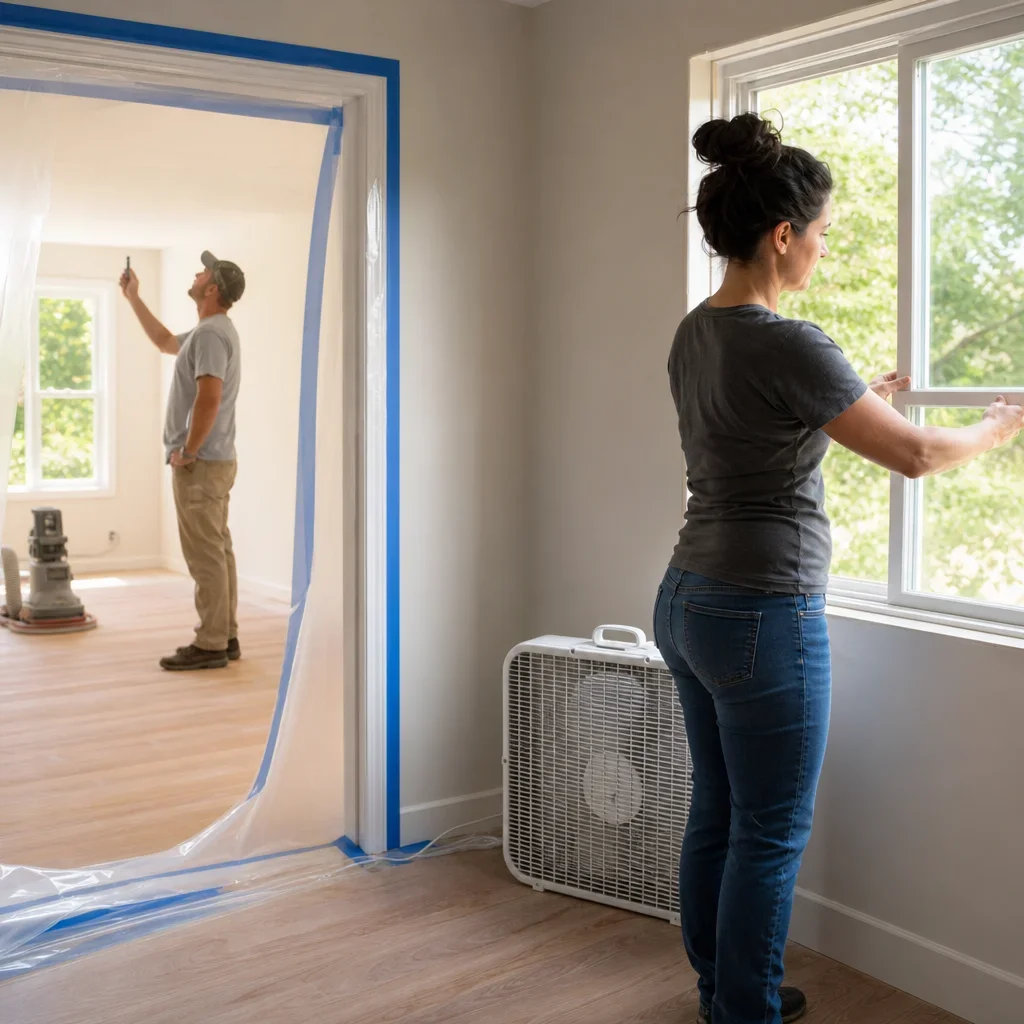
Some homeowners can stay in part of the house during refinishing, but that depends on the finish type, the area being worked on, ventilation, pets, children, and personal sensitivity to odours. Water-based polyurethane generally has lower odour and faster dry times than oil-based polyurethane, while oil-based finishes usually have a stronger smell and can add more amber colour over time.
You should not guess on re-entry timing or sleep arrangements. Ask the contractor for the room-by-room access plan, ventilation plan, and manufacturer-based guidance for when people, pets, rugs, and furniture can return. That is safer than relying on a generic rule from the internet.
A broad rule of thumb is that full refinishing may be needed about every 7 to 10 years in homes with steady wear, but traffic, pets, sun, cleaning habits, and earlier maintenance all change that interval. Floors that are recoated before wear reaches bare wood can often go longer before a full sand-and-refinish becomes necessary.
The smartest timing is based on condition, not a calendar. Once finish wear exposes raw wood, stains and moisture can sink deeper and make the eventual work more expensive. That is why a recoat at the right time can be a money-saving maintenance step.

The best way to compare quotes is to compare written scope, not just the bottom-line number. Ask for prep details, repair allowances, stain scope, finish brand or type, number of coats, dust containment method, cleanup standard, and the expected timeline. Getting 2 to 3 quotes is a sensible best practice.
A good contractor checklist also asks whether board replacement, vent detailing, baseboard protection, and stair pricing are included or separate. If your floor is engineered, confirm that the contractor has checked eligibility rather than assuming it can be refinished. That one detail can prevent an expensive mistake.
The average cost of refinishing hardwood floors in Canada is only a starting point because Ontario and GTA jobs can price differently from national averages. Toronto, North York, Vaughan, Markham, Mississauga, Oakville, and Brampton projects may carry extra labour pressure from parking, condo rules, tighter scheduling windows, and higher general operating costs.
That does not mean every GTA quote should be accepted at face value. It means local comparisons matter more than generic web averages. If refinishing is not the best route after inspection, you can also compare replacement options side by side in solid hardwood, engineered wood, laminate, and vinyl. Bringing room sizes, photos, and finish preferences to a showroom visit usually leads to a more accurate discussion.
If you are changing stain during refinishing, natural to medium wood tones and lower-sheen finishes tend to stay versatile longer than extreme colours. Matte and satin finishes also hide dust and small scratches better than high gloss in many homes.
For 2026-style questions, lighter natural looks, warm browns, and clean medium tones are the safer bet than very red or very grey stains. A wood colour that never really goes out of style is usually one that looks believable with the species, the light, and the home around it.
Flooring does not have to be lighter or darker than your walls by rule. The better approach is contrast. If walls are light, medium wood can anchor the room. If walls are darker, a lighter floor can keep the space open. Sample boards in the actual room matter more than trend lists.
Do not use improvised cleaners like dish soap unless the finish manufacturer specifically says that product is safe. That includes common questions about whether you can use Dawn dish soap to clean hardwood floors. Excess water and the wrong cleaner can dull the finish or leave residue over time.
The safest aftercare plan is simple: follow the finish manufacturer's cleaning instructions, use a hardwood-safe cleaner, and keep moisture low. Felt pads, regular dry dusting, and fast cleanup of spills usually do more for floor life than any strong cleaner does.
How much does it cost to refinish hardwood floors in Canada? A broad planning range is about $3.50 to $8.00 per sq. ft. for full sanding and refinishing, with premium or dust-contained jobs sometimes reaching $11+ per sq. ft.
What is the average cost per sq ft to refinish hardwood floors? The average cost per sq ft to refinish hardwood floors is commonly planned at $3.50 to $8.00 per sq. ft. for full refinishing.
How much does it cost to refinish 1,000 square feet of hardwood floors? Using that broad range, 1,000 sq. ft. works out to about $3,500 to $8,000.
How much does it cost to refinish 1,500 sq ft of hardwood? A 1,500-square-foot job usually plans around $5,250 to $12,000 before unusual repairs or stair work.
Is it cheaper to refinish hardwood floors or replace them? Refinishing is usually cheaper when the wood is still structurally sound, while replacement makes more sense for severe damage or a full design change.
Can engineered hardwood be refinished? Sometimes, yes. It depends on wear-layer thickness and prior sanding history. Not every engineered floor is a candidate.
How much does it cost to refinish hardwood stairs? A broad market planning range is about $40 to $75 per tread, with more for complex details.
How long does it take to refinish 1,000 square feet of hardwood floors? A practical job window is about 3 to 7 days, depending on layout, finish type, and dry time.
How long should you stay out of the house after refinishing floors? That depends on the finish manufacturer, ventilation, and the product used, so get contractor guidance in writing for your specific coating system.
Can you stay in the house while hardwood floors are being refinished? Sometimes, but it depends on the work area, finish type, odour tolerance, pets, children, and ventilation plan.
How often should hardwood floors be refinished? A broad rule of thumb is about every 7 to 10 years, but condition matters more than the calendar.
Can I use Dawn dish soap to clean hardwood floors? Do not use it unless the finish manufacturer specifically approves it. Hardwood-safe cleaners and low-moisture cleaning are the safer choice.
The cheapest quote is rarely the cheapest floor project. Compare the scope, the coating system, and the repair assumptions first. If you want a better estimate, bring room sizes, photos, and your finish preferences before you decide whether refinishing, recoating, or replacing makes more sense.