
For a quicker response, please send all inquiries
via info@canfloor.com or
text to
416-735-0075.
| Monday - Friday | 10:00 am - 7:00 pm |
| Saturday & Sunday | 10:30 am - 4:00 pm |
The cheapest floor today is not always the cheapest floor to live with. In this carpet vs engineered hardwood guide, we’ll compare upfront cost, comfort, cleaning, lifespan, and the best rooms for each so you can choose based on how the space is actually used.
Carpet usually wins on upfront cost and softness, while engineered hardwood usually wins on lifespan, easier surface cleaning, and broader resale appeal. Engineered wood also fits more design styles in living areas, but your better choice still depends on moisture risk, pets, noise, allergies, and how long you plan to keep the floor.
Choose carpet if you want a lower initial spend, warmer bedrooms, and better sound absorption upstairs. Choose engineered hardwood if you want a longer-wearing hard surface, easier pet-hair cleanup, and a floor that suits main living areas and mixed-material homes.
The main trade-off in carpet vs engineered hardwood pros and cons is simple. Carpet feels better underfoot, but it usually needs replacement sooner. Engineered hardwood costs more to buy and install, but it can deliver a longer service life if the product, subfloor prep, and moisture conditions are right.
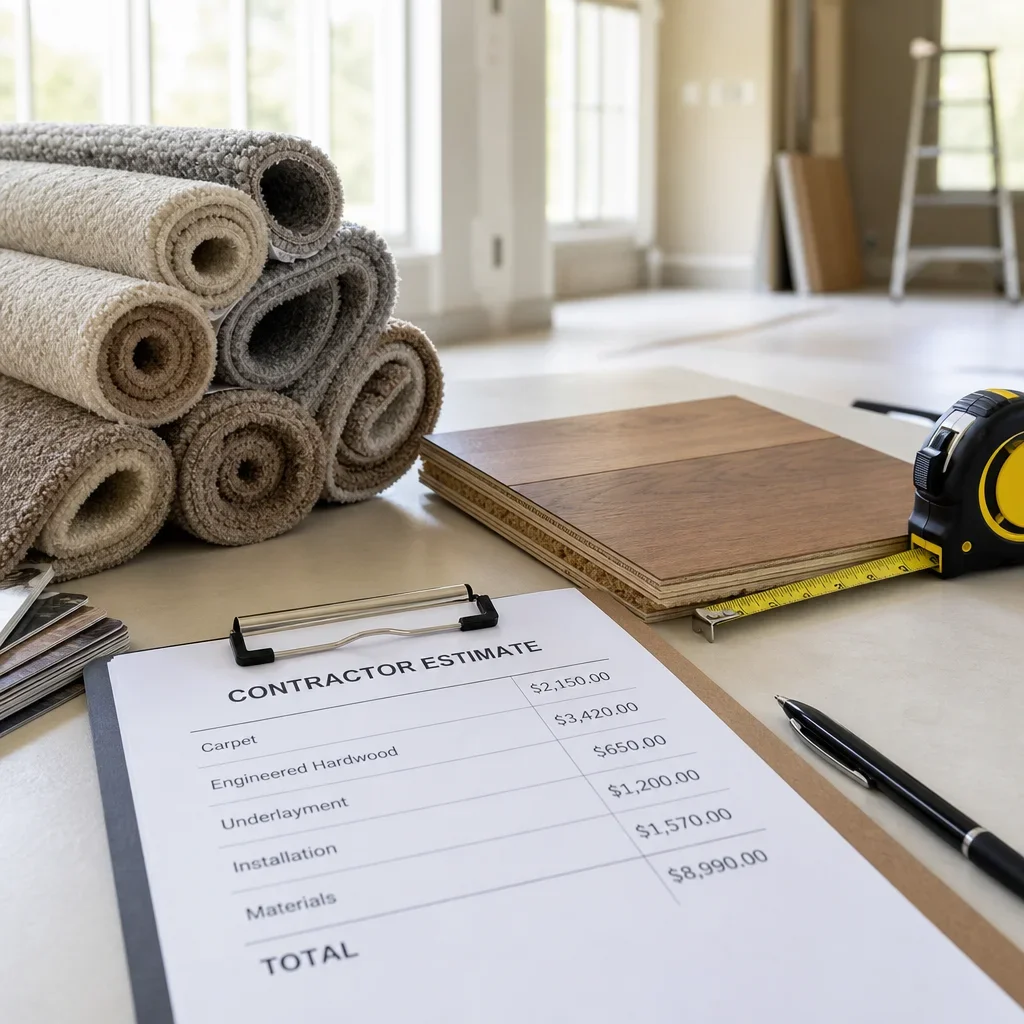
Carpet is usually cheaper to buy and install than engineered hardwood. Broadloom carpet materials commonly run about $1 to $5 per sq. ft., carpet installation about $0.50 to $3 per sq. ft., and installed carpet totals often land around $1.50 to $8 per sq. ft. before unusual prep or stairs.
Engineered hardwood flooring spans a much wider range because the veneer thickness, species, core, plank width, finish, and installation method all change the quote. Material-only engineered hardwood often runs about $3 to $10 per sq. ft., installation about $2 to $6 per sq. ft., and installed totals commonly fall around $5 to $16 per sq. ft..
Canadian quotes vary most on product tier, room shape, floor prep, and whether the job needs underlayment, moisture control, trim work, or stair finishing. That is why the cost of carpet vs engineered hardwood in Canada cannot be pinned to one market-wide number, and why supply-only pricing should never be confused with a full installed quote.
As a Toronto example of entry-level supply pricing, CanFloor lists engineered wood from $2.99 per sq. ft. and carpet tile among its flooring categories, but that should be read as a starting product price, not a market average or an installed total.
| Cost item | Carpet | Engineered hardwood |
|---|---|---|
| Material only | $1 to $5/sq. ft. | $3 to $10/sq. ft. |
| Installation only | $0.50 to $3/sq. ft. | $2 to $6/sq. ft. |
| Typical installed total | $1.50 to $8/sq. ft. | $5 to $16/sq. ft. |
| Range driver | fibre, pad, pile, seams | species, wear layer, plank, core, install method |
A 12x12 room is 144 sq. ft., and that size is useful because small rooms often carry higher labour per foot due to minimum charges and tight layout cuts. At broad estimate levels, carpet for a 12x12 room often runs about $216 to $1,152 installed, while engineered hardwood often runs about $720 to $2,304 installed.
A 200 sq. ft. bedroom gives a cleaner comparison for the cost of carpet vs engineered hardwood per square foot. Carpet at 200 sq. ft. often lands around $300 to $1,600 installed, while engineered hardwood at the same size often lands around $1,000 to $3,200 installed.
A 1,000 sq. ft. project shows the real difference between cost of engineered hardwood vs carpet per square foot and total project spend. Carpet for 1,000 sq. ft. often lands around $1,500 to $8,000 installed, while engineered hardwood often lands around $5,000 to $16,000 installed before subfloor correction, trim upgrades, or stair work.
Removal, trims, transitions, and moisture prep can move the total sharply, so any carpet vs engineered hardwood cost calculator only gives direction. Quote accuracy depends on room shape, waste, floor flatness, and what is hiding under the old floor.
| Project size | Carpet installed | Engineered hardwood installed | Notes |
|---|---|---|---|
| 12x12 room = 144 sq. ft. | $216 to $1,152 | $720 to $2,304 | Small-room minimums can raise labour |
| 200 sq. ft. bedroom | $300 to $1,600 | $1,000 to $3,200 | Better for comparing room-level options |
| 1,000 sq. ft. project | $1,500 to $8,000 | $5,000 to $16,000 | Prep and transitions matter more |
The biggest price swings usually come from work around the floor, not the floor itself. Common extras include tear-out, disposal, moving furniture, subfloor leveling, moisture testing, underpad or underlayment upgrades, reducers, thresholds, baseboard removal and reinstall, quarter round, delivery, and stair labour.
Carpet removal alone commonly adds about $1 to $2 per sq. ft., and replacing carpet with engineered hardwood often exposes low spots, squeaks, patching, or moisture concerns that soft flooring had been hiding. That is one reason a cheap-looking switch from carpet to wood can end up costing much more than the product price suggests.
Condo jobs can also cost more because of elevator bookings, work-hour limits, insurance paperwork, and acoustic underlayment requirements set by the building. Those are property-specific rules, so the only honest way to price them is on a site-specific quote.
Use this checklist before you compare estimates:
Engineered hardwood usually lasts longer than carpet, but quality level and site conditions matter. Carpet often lasts about 5 to 15 years, while engineered hardwood can last about 20 to 30 years or longer when the wear layer, finish, moisture control, and maintenance are appropriate.
The long-term cost of carpet vs engineered hardwood changes once replacement cycles enter the picture. If a carpeted bedroom lasts 7 to 10 years, a homeowner staying 15 to 20 years may buy that floor twice, while a well-chosen engineered floor may still be in service over that same period.
A simple 10-year example helps. If 200 sq. ft. of carpet costs $300 to $1,600 installed and needs one replacement inside that period in a high-wear room, the 10-year spend could land around $600 to $3,200 before cleaning. If 200 sq. ft. of engineered hardwood costs $1,000 to $3,200 installed and does not need replacement, the higher upfront bill may narrow over time.
A 20-year example is where engineered hardwood more often becomes the better value over time. Two or even three carpet cycles in active households can push total spend beyond one engineered installation, especially in family rooms, hallways, or rentals with frequent turnover.
Not every engineered product can be refinished, and those that can are not all refinishable the same number of times. The wear layer thickness and the manufacturer’s guidance decide that, so no one should buy engineered flooring on the assumption that every product can be sanded later.

Engineered hardwood is usually easier for visible dust, crumbs, and pet hair because debris stays on the surface instead of sinking into a pile. Carpet can look tidy between vacuums, but it holds dust, hair, and grit that need regular vacuuming and periodic deep cleaning.
You can usually mop an engineered floor, but only with a well-wrung damp mop or a manufacturer-approved cleaner. It should not be soaked, flooded, or cleaned with a steam mop unless the manufacturer specifically allows that, because excess moisture can damage the surface or core.
Carpet maintenance depends heavily on fibre, pile, and pad quality. Lower-grade carpet may mat, crush, or hold stains faster, while better stain-resistant products hold appearance longer in bedrooms and family rooms.
Engineered hardwood also has rules. Felt pads under furniture, quick spill cleanup, proper indoor humidity, and the right cleaner all matter if you want the floor to age well.
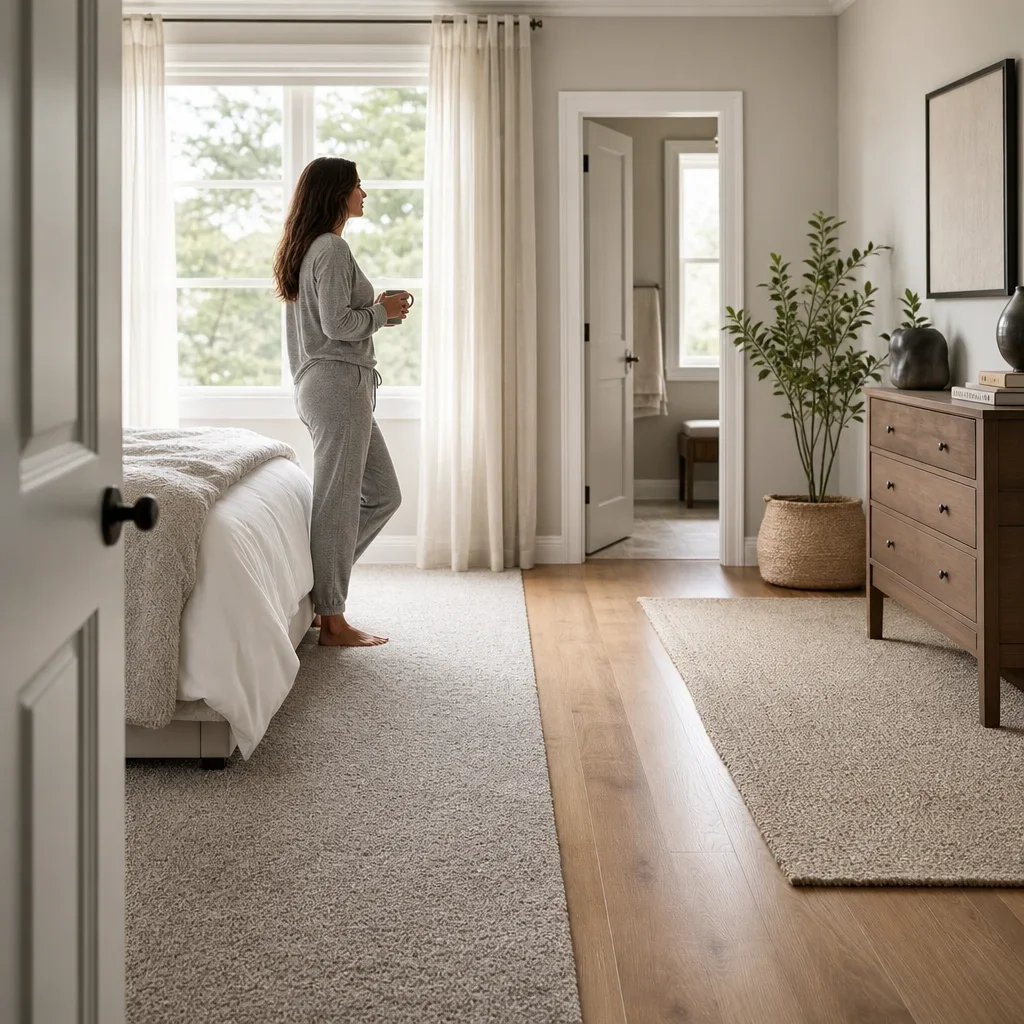
Carpet is usually warmer, softer, and quieter underfoot than engineered hardwood. That makes it a strong choice for carpet vs hardwood bedroom decisions, children’s rooms, and second-floor areas where footfall noise matters.
Engineered hardwood feels firmer and cooler, but rugs and acoustic underlayment can improve both comfort and sound control. They do not make it as soft as carpet, but they can make a hard-surface room feel much less echo-prone.
For 2nd floor carpet vs hardwood debates, the key difference is impact noise versus airborne noise. Carpet does a better job softening footsteps and dropped objects, while hard surfaces tend to carry more tapping and echo unless the assembly below the floor is built for sound control.
Open-concept homes and condos usually make this difference more obvious because large hard surfaces reflect sound. That is one reason many homeowners keep carpet in upstairs bedrooms even when they choose engineered hardwood downstairs.
Hard-surface flooring is usually easier to keep visibly free of dust, dander, and tracked-in debris than carpet. That does not make engineered hardwood the universal healthiest flooring for a home, but it can make daily cleaning simpler for households focused on dust control.
Carpet can trap particles rather than letting them move around on the surface, but that only helps if vacuuming and deep cleaning stay consistent. If cleaning falls behind, the same carpet can hold odours, stains, and fine debris longer than a hard floor would.
For pets, the real comparison is traction, scratches, and accidents. Carpet gives better grip for older dogs and active kids, while engineered hardwood is easier to spot-clean after shedding or tracked litter but may show claw wear faster in high-traffic lanes.
For kids, carpet adds softness for floor play and reduces slips, while engineered hardwood handles spills, craft mess, and food crumbs more directly. Product quality matters on both sides, and buyers concerned about indoor air should ask about emissions certifications and cleaning routines rather than assume one material is always best.
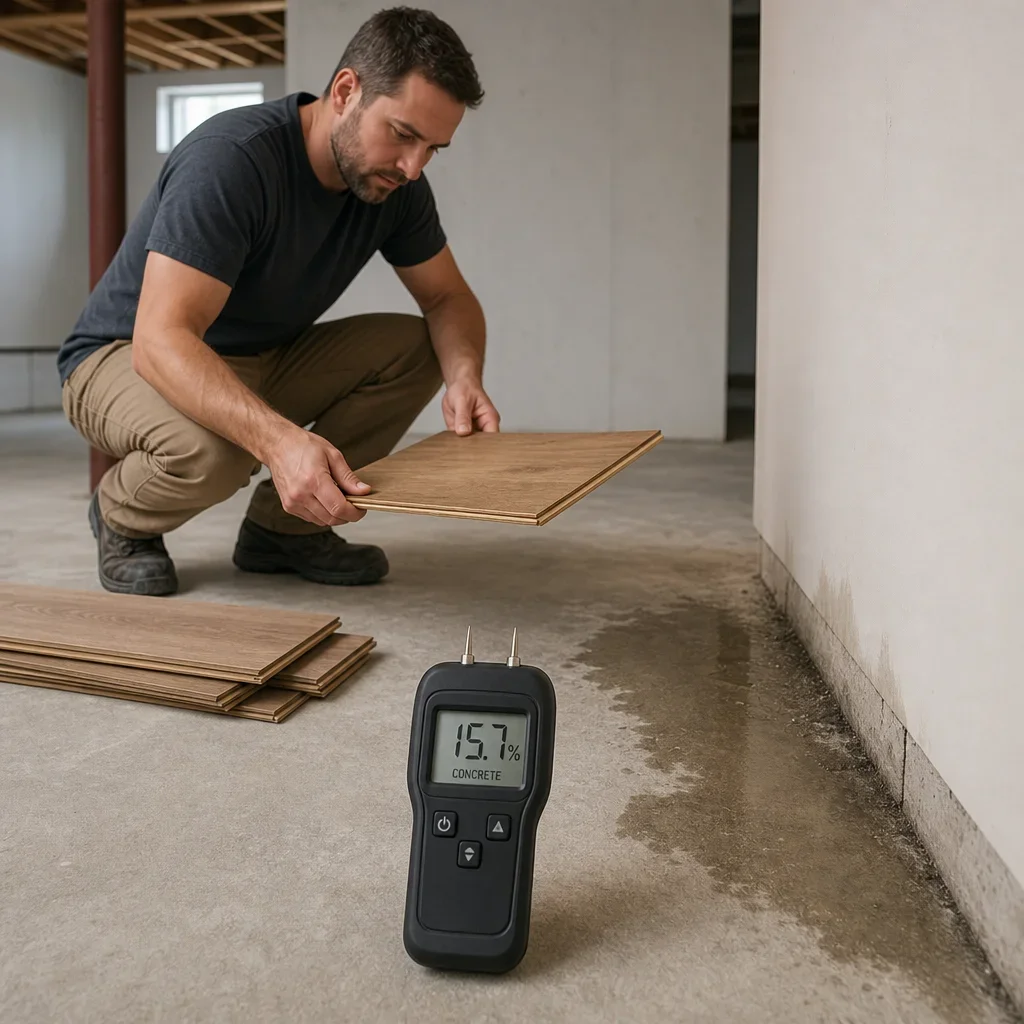
Neither option is right for every wet-prone space. Carpet is usually a poor fit for bathrooms, laundry rooms, mudrooms, and some kitchens because moisture, odours, and drying problems can become expensive fast.
Engineered hardwood handles seasonal humidity better than solid hardwood in many cases because of its layered construction, but it is not 100% waterproof. If you need a truly waterproof category, waterproof vinyl is the better place to compare, not engineered wood.
Basements and below-grade areas need extra caution. Some engineered hardwood products can be installed below grade depending on the product, subfloor type, slab moisture condition, and installation system, but not every engineered floor is approved for that use.
Toronto and GTA homes also see winter dryness and summer humidity swings that can affect wood movement. That makes moisture testing, acclimation, and the right installation method just as important as the plank itself.
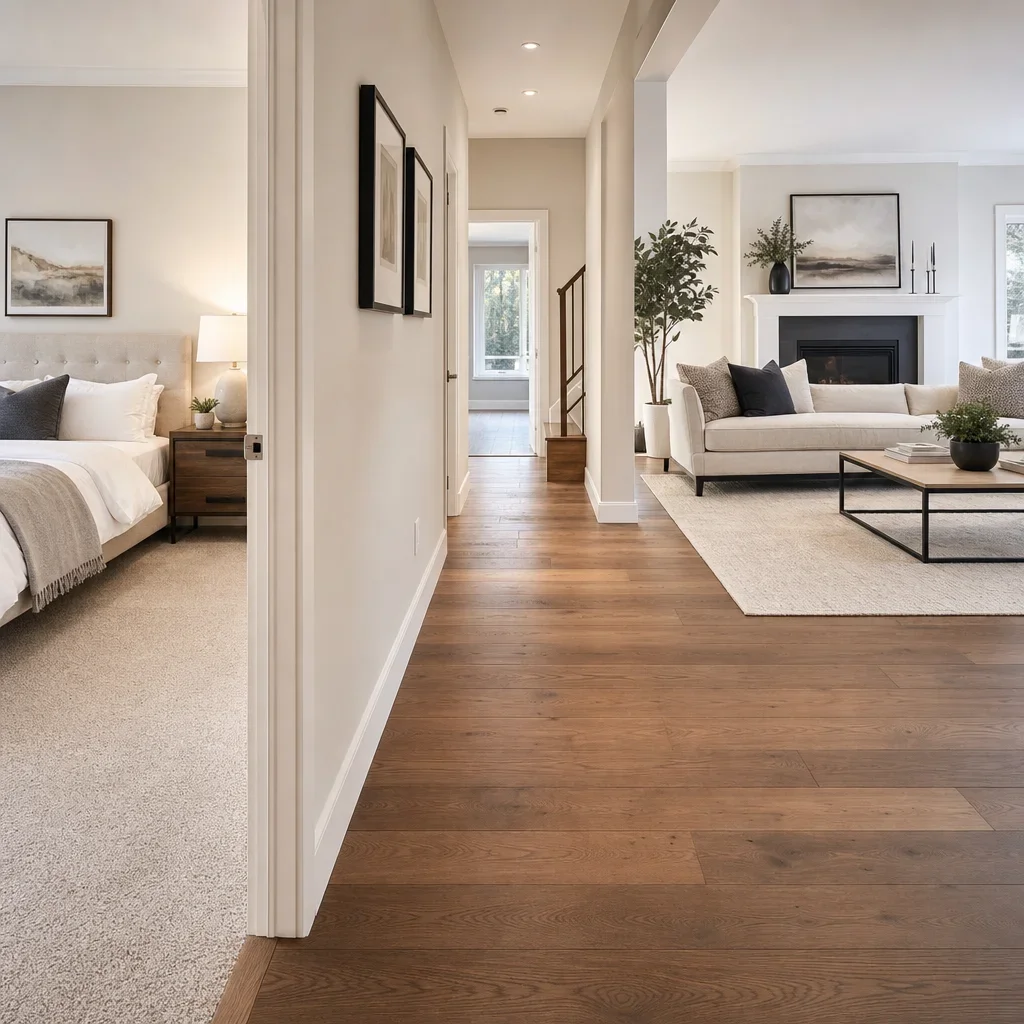
The best room-by-room answer is usually a mix, not an all-or-nothing rule. Engineered hardwood works especially well in public, visible, and moderate-to-high traffic areas, while carpet still makes sense in comfort-first spaces.
| Room | Carpet | Engineered hardwood | Best if |
|---|---|---|---|
| Bedrooms | Warm, soft, quiet | Cleaner look, easier dust pickup | Carpet for comfort, engineered for easy cleaning |
| Living rooms | Softer, less formal | Better design flexibility and resale appeal | Engineered in most main living areas |
| Family rooms | Cozy but stain-prone | Easier daily cleanup | Engineered if pets or snacks are constant |
| Hallways | Can wear quickly | Better traffic durability | Engineered usually wins |
| Stairs | Better grip and noise control | Better visual flow, more labour | Depends on safety and style priority |
| Basements | Only in dry, controlled spaces | Product-specific, moisture-sensitive | Verify moisture conditions first |
| Home offices | Quiet and soft | Easy chair movement if protected | Depends on chair use and sound needs |
| Nurseries | Soft and quiet | Easier spill cleanup | Carpet for comfort, engineered for maintenance |
| Rentals | Lower upfront cost | Better presentation, longer cycle in some units | Depends on tenant profile |
| Kitchens | Usually poor fit | Better than carpet, but not waterproof | Consider vinyl if water risk is high |
A mixed-flooring home is common because it solves different problems in different rooms. Many owners choose engineered hardwood in living areas and halls, then keep carpet in bedrooms for warmth and sound control.
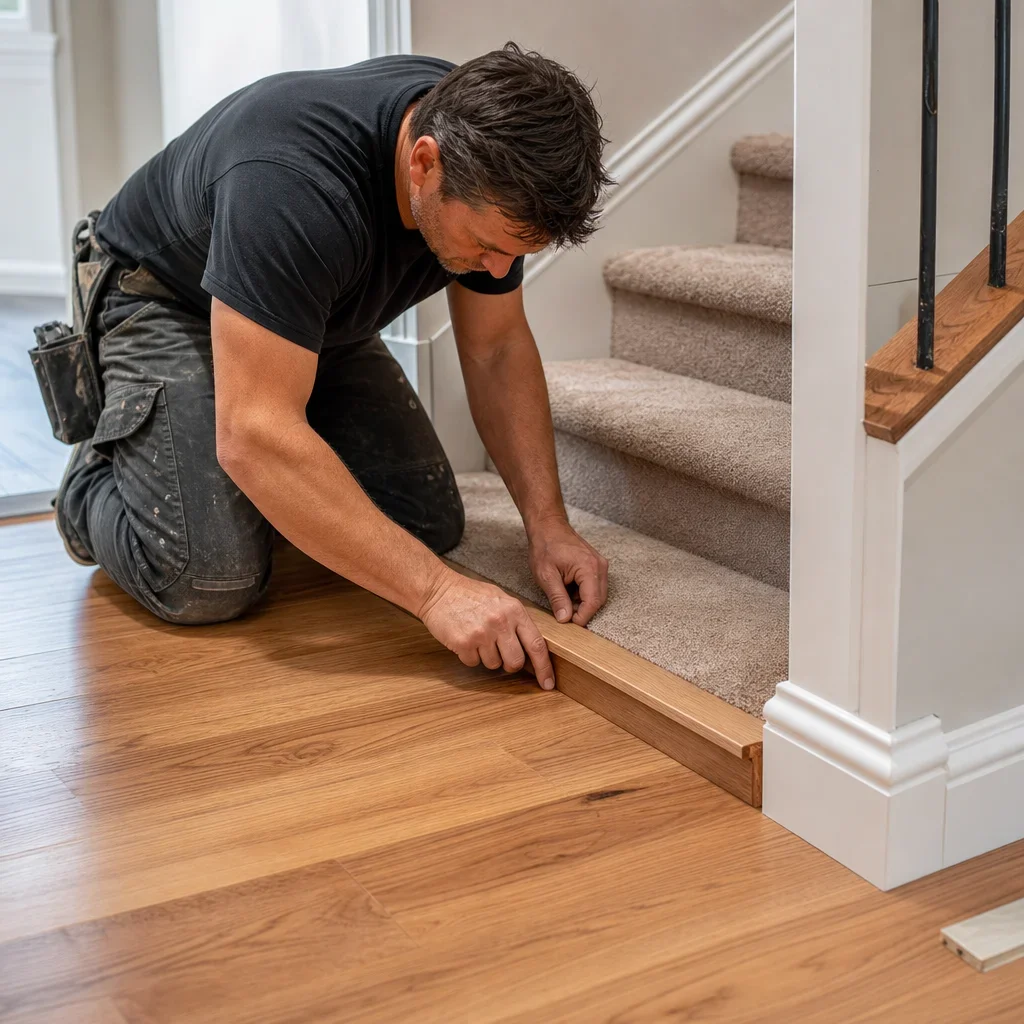
Stairs need their own budget because they are labour-heavy and detail-heavy. Converting carpeted stairs to engineered or hardwood-look stairs can involve nosings, risers, trim work, finish matching, and careful safety details that do not show up in a basic per-square-foot floor price.
Published stair conversion numbers vary too much by layout and finish to quote as a firm local rule, but most homeowners should expect stairs to be priced separately from open-floor areas. Straight runs, landings, closed risers, open risers, and existing stair condition all change the labour significantly.
Transitions matter more than buyers expect when mixing materials. Doorways, room thresholds, floor height differences, and the shift from bedrooms to hallways all need planning if you want the house to look intentional instead of pieced together.
Professional installation matters most on stairs because visible mistakes, movement, and poor grip details cost more to fix later. If you are replacing carpet with engineered hardwood through a whole level, ask for stair details and transition details before you compare quotes.
Engineered hardwood usually has broader buyer appeal than wall-to-wall carpet in main living spaces. That does not guarantee a sale price result, but it does tend to align better with what many buyers expect in living rooms, dining rooms, and front-facing areas.
Carpet can still make sense in bedrooms, lower-budget homes, and spaces where softness and warmth matter more than presentation. Resale depends on the home’s price point, neighbourhood expectations, floor condition, and where the material is installed.
If you plan to stay only a short time and want the lower initial spend, carpet can be a reasonable choice. If you are upgrading the look of your main floor or trying to avoid another replacement cycle, engineered hardwood often justifies the premium more clearly.
For rental properties, turnover cost matters as much as installation cost. Carpet is cheaper to replace up front, but stains, odours, burns, and pet damage can force earlier replacement between tenants.
Engineered hardwood can scratch, but it often photographs better, cleans faster between occupancies, and may hold up better in living areas if tenants are hard on soft surfaces. The right call depends on tenant profile, unit class, and target rent, not on one universal landlord rule.
Patchability also matters. A badly stained carpet section can still require a broader replacement if matching is poor, while a damaged board in an engineered floor may be replaceable if the product is still available and the installation method allows it.
DIY carpet installation is uncommon for most homeowners because stretching, seaming, and edge finishing need specialty tools and experience. A bad carpet install can wrinkle, gap, or wear early even if the product itself is decent.
Some engineered hardwood flooring systems are more DIY-friendly than others, especially click formats. Even then, moisture mistakes, uneven subfloors, bad cuts, poor layout planning, and weak transitions can turn a saving into a repair bill.
The practical comparison is tool needs, visible error risk, and time. Carpet is harder for most DIYers to install cleanly, while engineered wood is easier to attempt but less forgiving if the subfloor is not flat or the room geometry is tricky.
Choose carpet if upfront savings matter most, if the room is a bedroom or upper floor, and if warmth and quiet are higher priorities than long-term wear. That is still one of the best uses of carpet in a modern home.
Choose engineered hardwood if you want easier day-to-day cleanup, stronger performance in living areas, and a longer replacement cycle. It is usually the stronger long-term fit for hallways, family rooms, and visible main-floor spaces.
Choose a mixed strategy if your home needs both comfort and durability. Engineered hardwood in public areas plus carpet in bedrooms is one of the most practical answers to carpet vs hardwood vs laminate style comparisons because it matches the floor to the room instead of forcing one product everywhere.
Use this checklist before you buy:
If you want accurate numbers, bring room measurements or photos to a showroom so the estimate can account for layout, trims, stairs, and subfloor condition. A manufacturer-direct store like CanFloor can also compare supply-only and supply-and-install options in one conversation. Conditions apply if financing is discussed, ask an agent.
Carpet is not outdated in 2026 when it is used intentionally. It still makes sense in bedrooms, nurseries, and second-floor spaces where softness and sound control matter more than a hard-surface look.
The newest trend in carpet is usually less about a dramatic colour and more about practical texture, lower-pile constructions, and versatile neutrals that hide day-to-day wear. For resale, quieter shades like greige, taupe, and warm grey are usually safer than very dark, very light, or highly patterned choices.
When buyers ask what colour carpet sells a house, the practical answer is a neutral that does not fight the wall colour or make the room feel smaller. Safe and clean beats trendy in most resale-focused projects.
What to avoid when buying carpet is simple. Do not focus only on the lowest product price, ignore pad quality, choose a colour that shows every mark, or assume all stain resistance performs the same.
The disadvantage of engineered hardwood is that it is not waterproof, costs more up front, and does not give every product the same refinishing options. Its downsides are usually tied to moisture exposure, impact noise, and buying too thin a wear layer for the traffic level.
If you are comparing both in person, the smartest next step is to look at them side by side with your room photos, traffic pattern, and budget in hand. That usually settles the decision faster than any online estimate.